Securing clients for your WordPress agency is a real milestone. But once you’ve welcomed new clients on board, it’s crucial to provide an excellent experience and encourage them to stick with you for the long haul.
This is where effective client management and retention strategies make all the difference.
Below, we’ll look at why client management matters so much to your WordPress agency’s success. Then, you’ll find 11 practical tips that can help you create outstanding experiences and improve your agency’s client retention rate.
Table of Contents
What are client management and client retention?
Let’s start by making sure we’re clear about these terms.
Client management for WordPress agencies covers all the processes and tactics you use to nurture and maintain relationships with your clients. This can include communication, project coordination, offering supplemental services, and more.
Client retention, on the other hand, is about keeping your clients engaged and satisfied over time. It’s not just about maintaining ongoing partnerships, but also about providing extra services—either one-off or on a recurring basis—to deepen those relationships.
Why client management and retention matter
While bringing in new clients is obviously important, ongoing client management and retention are just as vital to your agency’s long-term health.
If you neglect strong client relationships, you could be locked into a constant grind to find new business—and even a brief hiccup in your sales pipeline can deeply impact your bottom line.
Investing in client management and retention efforts helps keep your revenue steady, even if new client acquisition slows. Your satisfied clients stick with you, giving your agency resilience and stability.
Here are a few major reasons to focus on client management and retention:
Keep your clients happy and satisfied
Placing a strong emphasis on client management ensures your clients not only get great results, but also enjoy the experience along the way.
While delivering top-quality work is essential, the interactions and process are equally important. Even if your end results are excellent, poor communication or an uninspired client journey can dampen satisfaction.
Paying attention to both the destination and the experience helps every client feel valued and confident in your agency.
Increase customer lifetime value by retaining more clients
Keeping current clients engaged is a direct path to increasing your agency’s revenue.
When you actively manage relationships, you create opportunities for clients to invest in additional services, whether monthly retainers, specialized audits, or new projects.
Add-on services can mean ongoing revenue—like website hosting—or periodic projects, such as SEO or conversion optimization.
If clients feel well cared-for, they’re far more likely to turn to you for more services. But if their initial experience falls short, they may turn elsewhere next time.
Leverage word of mouth to find new clients
Strong client relationships don’t just retain existing customers—they can help bring in new ones as well.
Happy clients are often willing to recommend your agency to other businesses they know, providing you with crucial referrals.
These word-of-mouth leads often convert better and cost much less than other acquisition strategies. Even if you choose to offer a referral bonus, it’s typically less expensive than paid advertising or other methods.
11 client management tips for agencies to boost retention
Ready for actionable steps? Here are 11 tips you can start using to strengthen client relationships and boost retention in your WordPress agency.
1. Position yourself as a long-term partner from day one
How your agency presents itself from the start shapes client expectations and lays the groundwork for a lasting partnership.
If your agency offers services as one-off projects, clients may only think of you for a single engagement.
Instead, try to position your agency as a long-term supporter and collaborator. When you make it clear you value ongoing partnerships, clients are more likely to stick around for continued support and services.
For instance, see how Moove Agency brands itself as “helping global brands succeed.” This sets the expectation of a lasting, supportive relationship, not a single service.
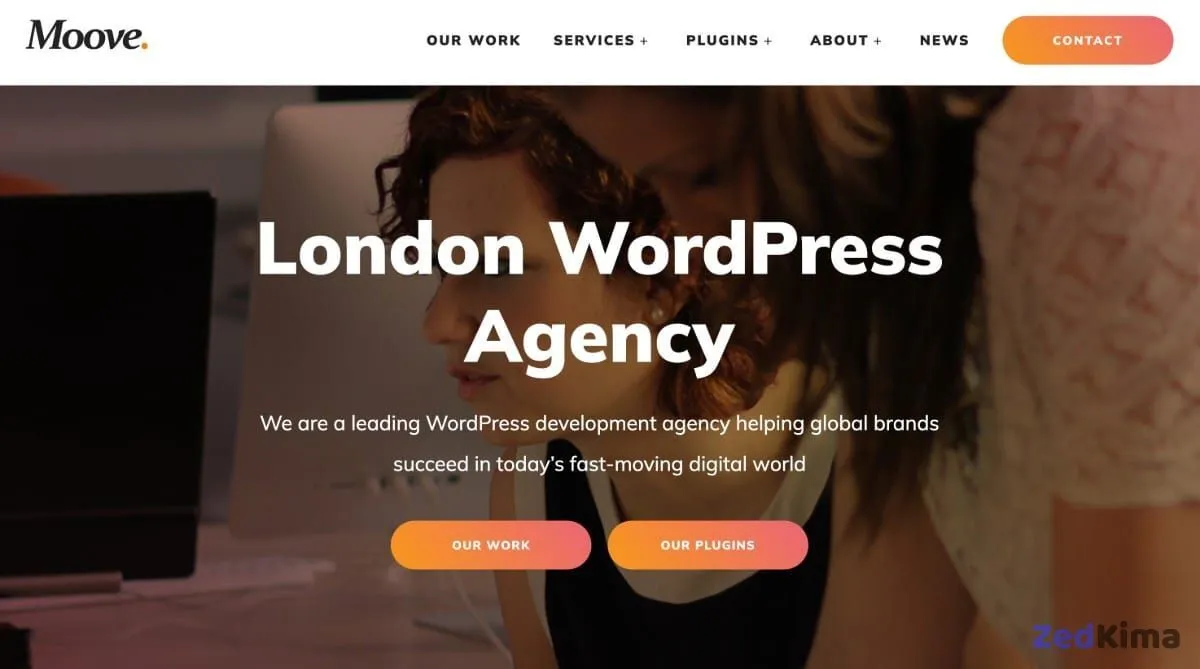
Side note: For deeper insights about Moove Agency, check out our interview with Ilona Filipi, the founder, from 2019.
Support your “long-term partner” positioning by following the other client management tips in this guide, and you’ll also be well-placed to offer more services as time goes on.
2. Set proper expectations and goals
Setting clear (and realistic) expectations is one of the biggest factors for client satisfaction.
Consider this: you deliver a project in two weeks. Whether the client is thrilled or frustrated can depend entirely on what expectation you set at the outset.
- If you promised delivery in three weeks and finished in two, you’ll impress the client.
- If you promised delivery in one week but took two, the client may be disappointed.
It’s often wise to under-promise and over-deliver. Always build in a buffer to handle unexpected delays or changes.
3. Be friendly and positive in client interactions
This may seem obvious, but kindness and positivity go a long way in client communications.
Clients appreciate working with knowledgeable, approachable professionals. Combine clear expertise with a helpful attitude to lay the foundation for strong relationships.
Remember that written communication can easily be misinterpreted. Since tone doesn’t always come through via email or chat, always err on the side of clarity and warmth to avoid misunderstandings.
4. Provide regular updates and reports
Don’t let your clients wonder about the status of their project. Instead, provide frequent, proactive updates and detailed reports as the project moves forward.
For website projects, consider sharing progress updates or even providing a live demo for client preview. You might also give clients secure access to your project management tools, so they can view status in real time.
For ongoing support like WordPress maintenance or SEO, set up a regular reporting schedule. With maintenance, reports could include details on site performance, updates, backups, and traffic stats.
Many SEO and website management tools offer automated reporting features for streamlined client communication.
For example, Ahrefs enables you to generate automated SEO reports. Here’s an example from Ahrefs, created in Looker Studio.
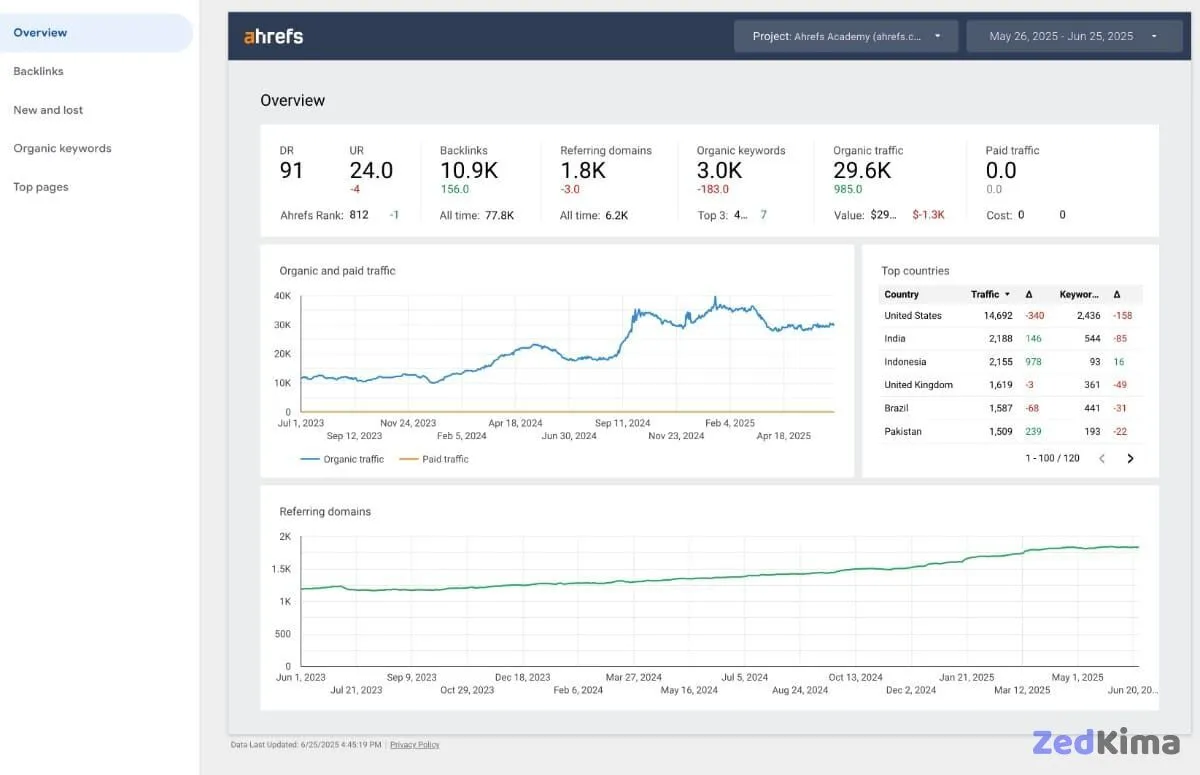
Consistent reports and updates not only keep your clients in the loop—they also demonstrate the ongoing value your agency provides. Without visible progress, clients may question what they’re getting. Transparency helps reinforce the impact you’re making.
5. Offer high-quality retainer services
Providing reliable retainer services is a powerful way to build lasting client relationships.
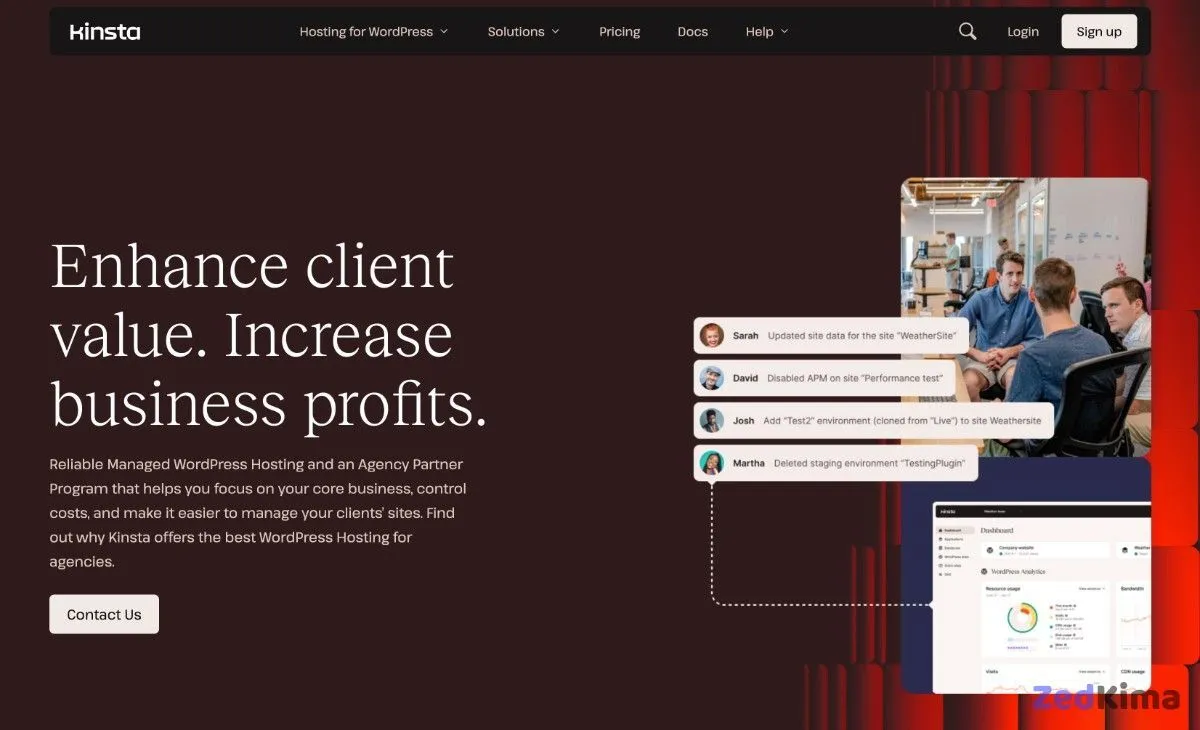
For any WordPress agency, offering hosting services is an effective way to secure recurring revenue while helping your clients run fast, secure websites. Great hosting becomes a foundational service, naturally deepening your client connection.
When your hosting is dependable and high-performing, clients are less likely to look elsewhere. Here, “lock-in” simply means your clients choose to stay because you consistently exceed their expectations.
For inspiration, consider how BSharp Technology benefited from switching their clients’ sites to a new hosting provider. Their founder Matt Grill shared, “Since moving, we’ve seen major improvements in performance. Clients notice the difference, and it’s boosted our client relationships.”
After making similar changes, another agency, Cosmick Media, reported a 30% uptick in client retention and saved 40% of their time on site maintenance, meaning their team could focus elsewhere for even better management.
6. Structure your add-on services progressively based on client lifecycle
Think about timing your additional service offers based on where your client is in their journey with you. Not every service is immediately relevant, but some needs will arise as you work together longer.
For example, conversion rate optimization (CRO) is usually most effective once a website is established and there’s enough data to analyze. Offering CRO right after launch may be premature, but introducing it further down the line can add enormous value.
Other services that work well at different stages include SEO, content development, marketing automation tool setup, and social media marketing.
By aligning service offerings with your client’s lifecycle, you help them succeed while strengthening your long-term partnership.
7. Match clients’ communication preferences (when reasonable)
Clients have individual preferences for project communication—some prefer emails, others phone calls, and some want to work directly in project management platforms.
When it’s practical, try to adapt to your client’s style and preferences.
The first step is to determine whether your client prefers async channels (email, chat, project comments) or synchronous updates (scheduled calls, video chats).
For asynchronous communication, consider:
- Is email, a chat tool, or project software preferred?
- What are their expected response times?
For synchronous communication, ask:
- Do they want phone calls, video meetings, or another approach?
- What days or times are best?
- Would they like short, focused check-ins or longer discussions?
- How far ahead do meetings need to be scheduled? Would they like recurring slots, or flexible scheduling?
- Do they use scheduling tools (like Calendly or similar) for convenience?
Of course, set boundaries that work for your business too. For example, it’s reasonable to limit work communications to business hours, regardless of client preference.
8. Be transparent about timelines and problems
Every project will face the occasional bump in the road—delays and issues are unavoidable.
While you can’t always control the problem, you can control how you communicate about it. Clients will appreciate transparency and timely updates if something doesn’t go as planned.
Be upfront about:
- The issue at hand
- Why it happened
- Your plan to resolve it
- Any anticipated impact on the timeline
Clients may not always be thrilled about delays, but honest communication builds trust and helps you both move forward constructively.
9. Build a structured client onboarding process to save time later
An efficient onboarding process can set the tone for successful client management—helping you get off on the right foot while keeping future steps organized.
Create an onboarding workflow that accomplishes the following:
- Document your client’s goals. Collect and centralize objectives (even if they’re already in the contract) to ensure everyone is clear on what you’re aiming to achieve.
- Secure necessary logins and credentials. Gather required access details up front to avoid project delays or repeated requests later on.
- Share a tailored onboarding questionnaire. Ask about preferred communication, scheduling needs, and any project-specific details that can help your process run smoother.
- Add clients to your workflows. Provide access to project management platforms and real-time communication channels, as appropriate.
- Review timelines and communication protocols. Set crystal-clear expectations at the outset, so there are no surprises later.
10. Proactively ask for feedback to understand how you’re doing
Don’t wait until a client surfaces an issue that’s been festering for weeks or months. Instead, make it a habit to regularly ask for feedback and suggestions.
Consider these types of questions:
- Are you satisfied with our work together?
- Are we meeting your expectations?
- How do you rate our communication and updates?
- What can we do to make your experience better?
- Are our business processes working well with your own?
- Are you satisfied with how transparent and prompt we are with updates?
You can request feedback over email, through surveys, or using purpose-built form or survey tools—whatever best fits your agency’s workflow.
11. Use the right tools to manage client relationships
All the strategies above work best when you have solid tools in place to support them.
At a minimum, consider using these types of tools:
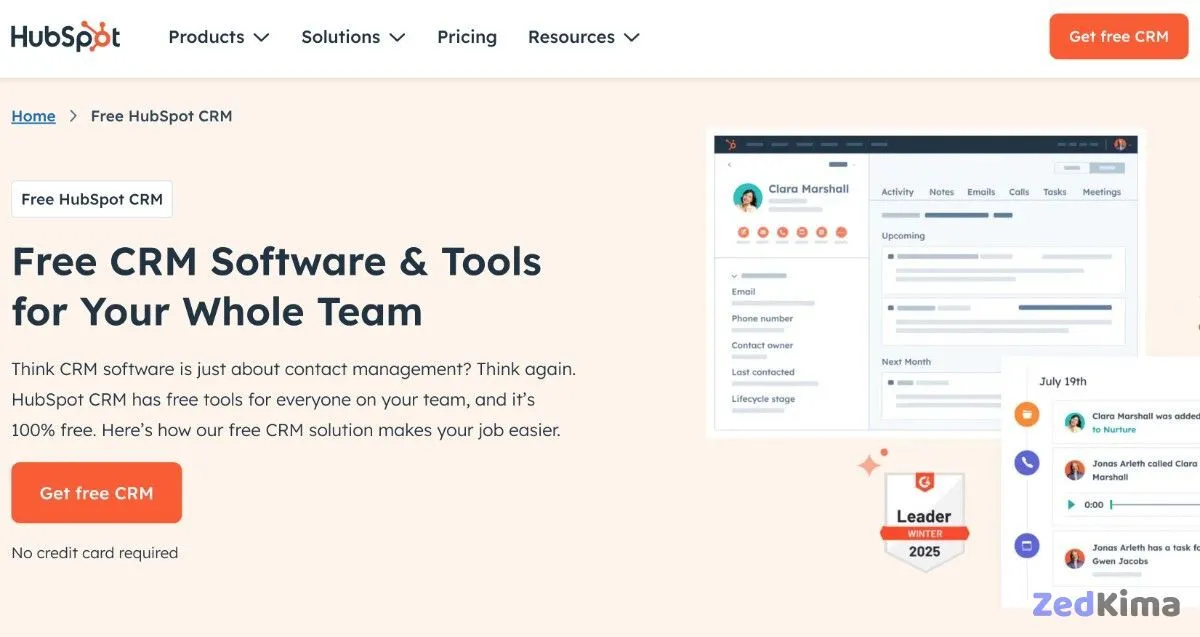
- Customer Relationship Management (CRM). Choose a WordPress CRM plugin or consider SaaS tools like HubSpot or Clientjoy to keep track of contacts, projects, and communications.
- Project management tools. From WordPress plugins to SaaS options like Trello, Asana, or similar platforms, project management software can help you keep everything—and everyone—on track.
- Billing and invoicing solutions. Streamline payments with WordPress plugins, popular SaaS options, or integrated payment processors such as Stripe or Square.
You might also consider using a plugin, which lets your clients provide feedback visually right on their website. This can foster more collaborative, effective web design workflows.
What are client management and client retention?
To further clarify, client management is not only about day-to-day interactions—it also encompasses strategic planning to proactively meet client needs as their businesses grow. For example, as a client’s website traffic surges, anticipating and suggesting necessary infrastructure upgrades or security enhancements demonstrates attentive and thorough client management.
On the other hand, client retention can be measured with metrics such as churn rate and Net Promoter Score (NPS), which provide actionable insights into how happy your clients truly are and how likely they are to continue working with you. Tracking these metrics over time helps you identify areas for improvement and further solidify your client relationships.
Why client management and retention matter
Unlock new revenue opportunities through upselling and cross-selling
Effective client management allows you to truly understand your client’s pain points and business objectives. As you learn the nuances of their workflows or industry, you can recommend relevant add-ons, such as custom plugin development, enhanced security packages, or managed email solutions. These not only add value for your clients but also increase your agency’s revenue streams.
Reduce acquisition costs and enjoy predictability
Client acquisition can be both costly and unpredictable—especially in competitive markets. Retaining clients boosts your revenue with significantly less effort and cost than reaching new ones. It also enables better forecasting: recurring clients bring financial stability, letting you plan team expansion or new investments with confidence.
Establish a reputation for reliability and trust
Consistently positive client experiences will build your agency’s reputation. Over time, this creates a cycle—happy clients post positive testimonials, participate in case studies, or leave five-star reviews on platforms like Clutch and Google Business. This “social proof” helps you win new business effortlessly.
Beyond the basics: Advanced client retention strategies
Invest in client education and empowerment
Offer webinars, newsletters, or resource libraries focused on WordPress best practices, security, or new features. Proactive knowledge sharing establishes your agency as an indispensable resource, positioning you as a partner in your clients’ ongoing growth—not just a service provider.
Create a VIP experience with exclusive perks
For your long-term or top-tier clients, introduce a loyalty program or offer early access to new agency services and beta features. Personalized touches such as holiday greetings, anniversary gifts, or custom training sessions make clients feel valued and appreciated.
Build a client community
Host virtual meetups, masterminds, or invite clients to special networking events. Facilitating connections among your clients not only deepens their loyalty to your agency, but may also generate new partnership or business opportunities within your network.
Summary
While winning new business is essential for a WordPress agency, how you manage and retain your clients is equally important for long-term growth.
Nurturing strong relationships with your clients increases retention, opens the door to selling value-added services like web hosting, and drives lifetime customer value. Consistently satisfied clients are more likely to refer you to others, driving new opportunities your way through positive word of mouth.
Put these client management strategies into action, and you’ll be on track for reliable, long-term success with your WordPress agency.